
Last night I presented a branding workshop for a group of people developing food businesses. Some were still exploring an idea, while others were already making products and thinking about selling them commercially. As we talked about branding, packaging and customers, we kept coming back to one question:
Why would somebody choose your product?
It's a simple question, but I think it's one of the most useful questions a business owner can ask themselves. And that's true whether you're selling food, services or anything else.
When people start a new business, it's natural to focus on the visual elements. A logo makes a business feel real. Packaging makes it tangible. Seeing your idea come to life is exciting. The challenge is that branding decisions become much easier when you understand who you're trying to reach and what matters to them.
One of the examples I shared during the workshop was Jambo Foods. The products are inspired by the founder's East African and South Asian heritage, and the brand draws heavily on family recipes, culture and personal experience. The story behind the business is reflected throughout the visual identity. The colours, illustrations and tone of voice all support that story and help create a sense of warmth, energy and authenticity.
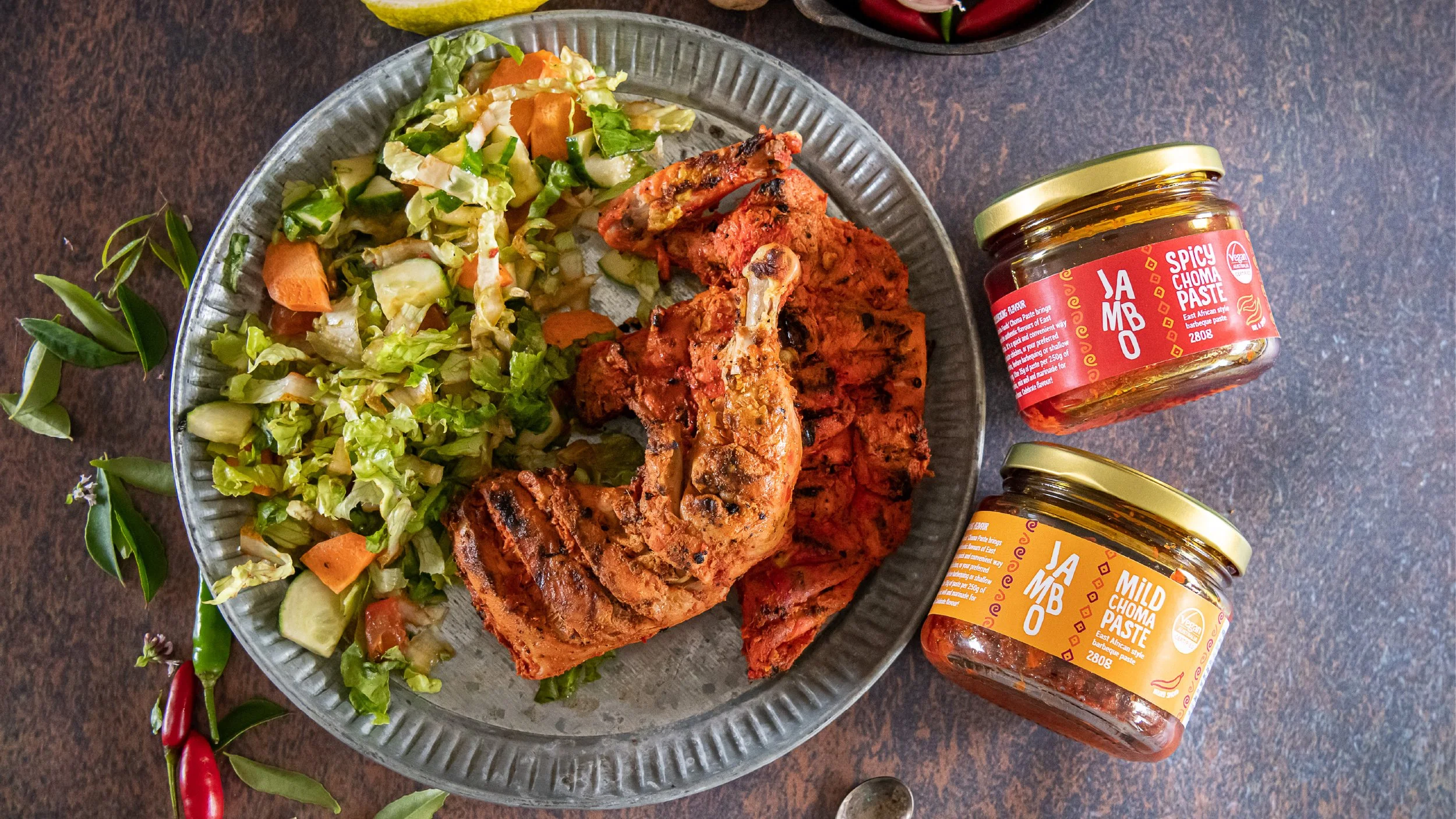
The important thing isn't that every food business needs a story like Jambo's. It's that the brand reflects something genuine about the business and the people behind it. Customers connect with stories because they help explain why a product exists and what makes it different.
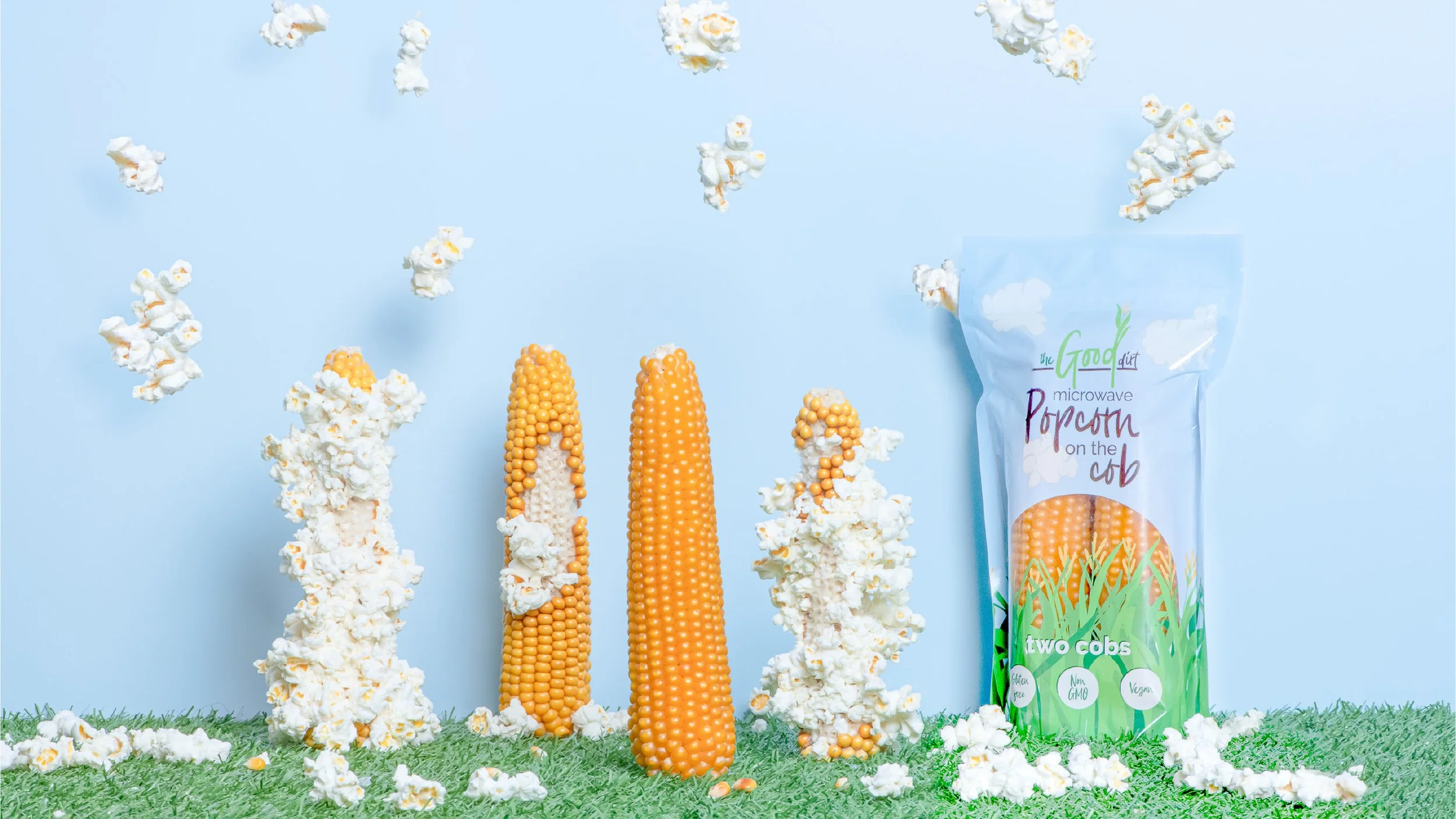
The Good Dirt provides a very different example. Their product, popcorn on the cob, is something that many people haven't seen before. In this case, the branding isn't just trying to attract attention. It also has an important communication role. The packaging, illustrations and photography all help customers understand what the product is, how it works and why they might want to try it. Without that support, customers could easily walk past because they're unsure what they're looking at.
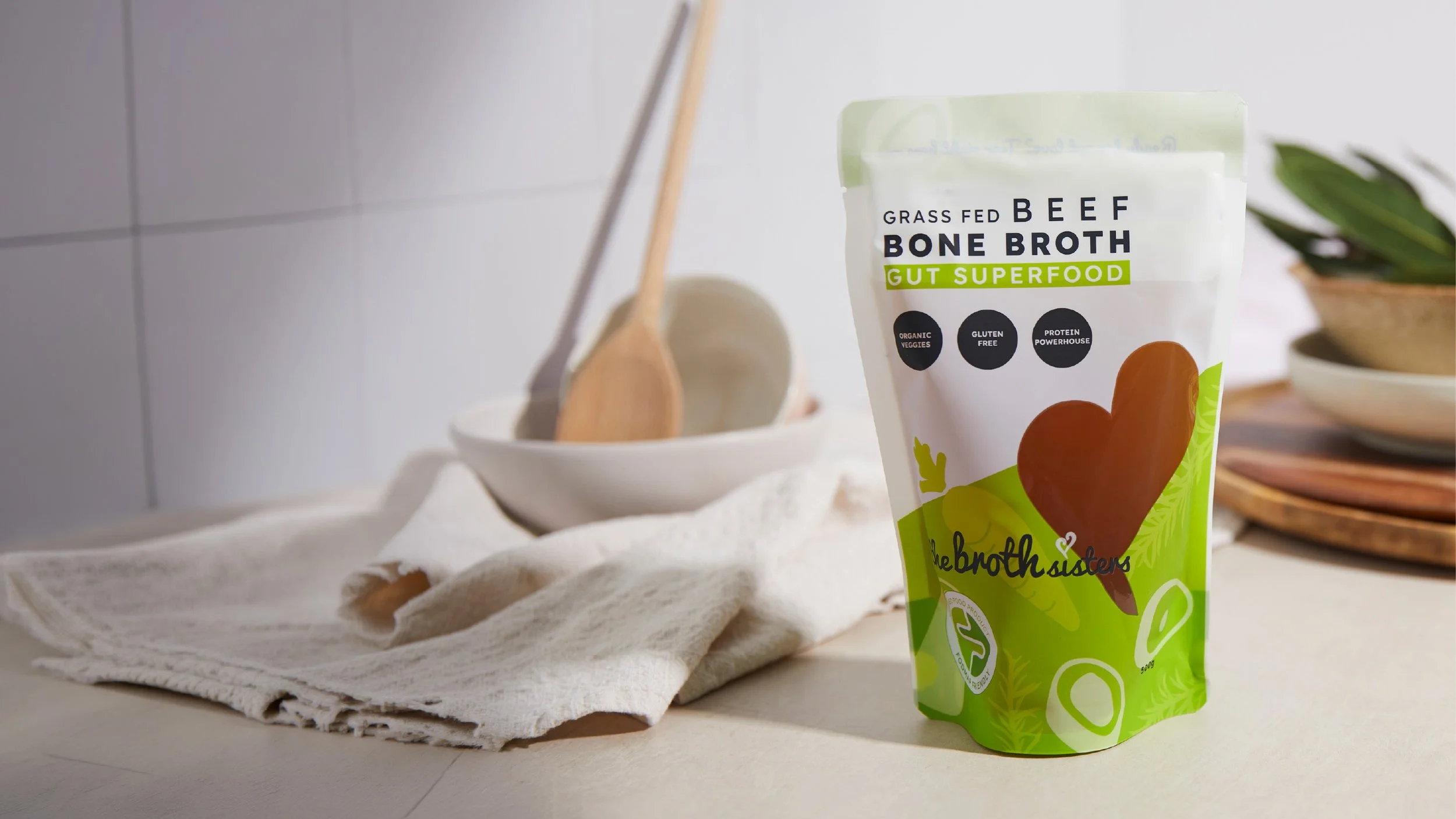
The Broth Sisters provides another example. Their products are positioned around health, wellness and convenience, so trust becomes incredibly important. The branding is clear, reassuring and easy to understand. Rather than trying to be clever or attention-grabbing, it focuses on communicating features and benefits in a way that inspires confidence. When customers are making decisions about products they consume, particularly those linked to health and wellbeing, trust can be one of the most important factors influencing a purchase.
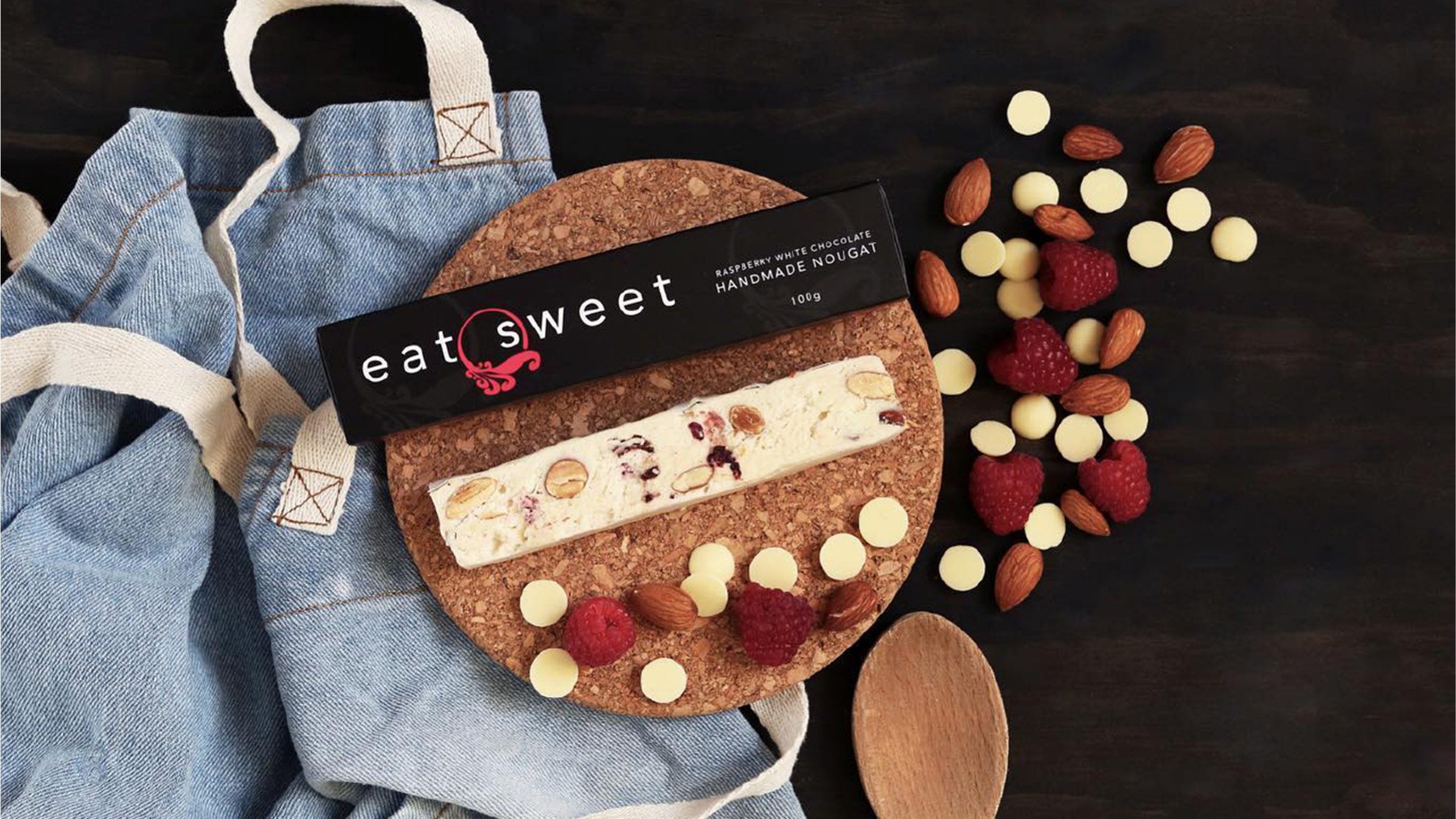
While The Good Dirt helps customers understand and The Broth Sisters focuses on building trust, Eat Sweet is all about creating desire. The business creates handcrafted nougat in unique and unexpected flavour combinations, and the branding reflects that. The elegant packaging and photography position the product as something special, helping customers see it as a premium treat rather than an everyday purchase. Before you've even tasted it, you're already forming expectations about the product's quality, creativity and value.
Although these brands look very different, they're all doing the same thing. They're helping the right customers understand something important about the product. In one case it's cultural heritage and family recipes. In another it's helping customers understand an unfamiliar product. In another it's building trust and confidence. In another it's creating a sense of premium quality and value.
This is why I encourage clients to think from their customer's point of view before thinking about design. What problem are you solving? What matters to the people you're trying to reach? Why would somebody choose your product instead of another option?
The answers to those questions will influence everything that follows. Your business name, visual identity, packaging and marketing should all support those answers.
A logo is important. Packaging is important. But they're only part of the picture. The strongest brands are built on a clear understanding of who they're for and why they matter.
Before you design a logo, ask yourself:
Why would somebody choose your product?